
Irish companies are reshaping how their teams develop skills by embracing training methods that combine traditional instruction with digital innovation. To address the changing dynamics of modern work, organisations are focusing on flexible, personalised, and technology-driven learning solutions. With these forward-looking strategies, Irish employers are rethinking how workforce education meets the evolving expectations and needs of today’s teams.
The Evolution of Corporate Training in Ireland

Irish companies have experienced a significant shift in their approach to employee training. Traditional classroom sessions, once the backbone of corporate learning, have gradually been overshadowed by more dynamic, technology-driven methods.
The rise of remote work has played a pivotal role in this transformation. Companies have had to embrace digital platforms and blended learning environments to ensure training is accessible, flexible, and effective for dispersed teams.
Different generations in the workforce now expect personalised learning. Younger employees tend to prefer on-demand modules and interactive content, while more experienced team members may still value structured sessions but welcome digital support.
Agile training solutions have become a necessity as business environments grow more volatile and uncertain. Innovative learning strategies are helping Irish companies remove barriers to business growth by creating more skilled and adaptable workforces able to respond quickly to market changes.
This evolution is ongoing, with organisations continually reassessing their methods to meet the needs of both individuals and the wider business. The aim is to build programmes that not only convey knowledge but also foster practical skills across teams.
Technology-Driven Learning Solutions Transforming Irish Workplaces
Irish organisations are increasingly employing virtual reality and augmented reality to create immersive training experiences. These technologies allow staff to practise skills in safe, controlled environments, such as simulating hazardous scenarios or mastering complex machinery without real-world risks.
AI-powered learning platforms are becoming common in large and small companies alike. These tools analyse individual learner data to recommend targeted content, enabling more efficient skill-building and knowledge retention.
Mobile learning apps have significantly improved access to training materials. Employees can now study at their own pace, using smartphones or tablets, whether in the office, at home, or while travelling between locations.
Microlearning is helping companies deliver information in brief, focused segments. Many Irish businesses favour this approach as it fits well with busy schedules and supports long-term knowledge retention.
Gamification elements, such as achievement badges and progress tracking, are being used to make training more engaging and interactive. They foster healthy competition and motivate employees to complete learning modules.
Personalised learning paths offer tailored content based on each employee’s job role, previous learning history, and specific goals. This customisation increases relevance, ensuring that staff receive training directly aligned with organisational needs and individual responsibilities.
Hybrid and Flexible Training Models for Modern Teams
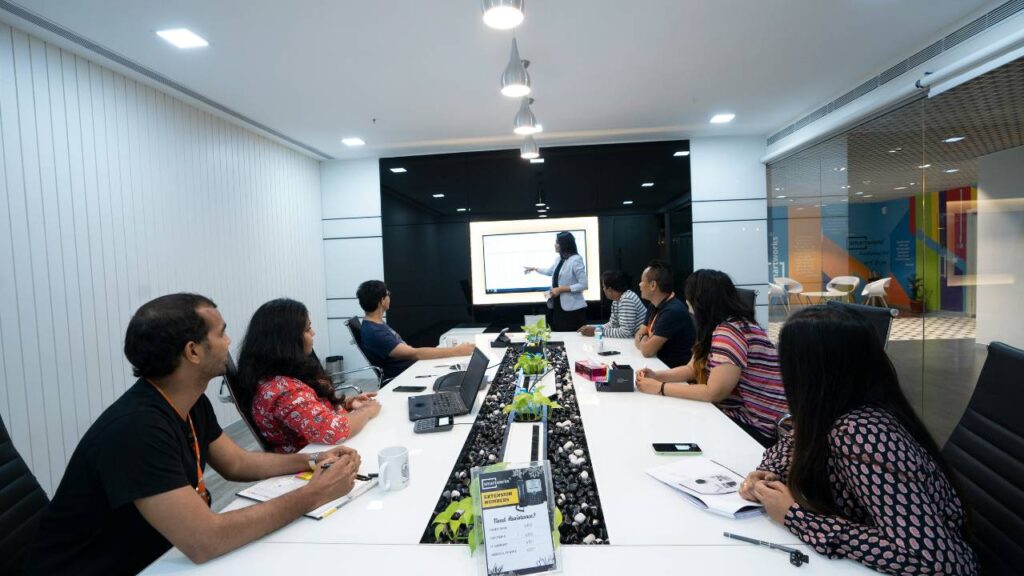
Irish companies are increasingly adopting hybrid training models that blend online learning with traditional in-person sessions. These approaches allow for greater flexibility and accommodate team members working both remotely and onsite. Businesses can provide consistent training experiences regardless of employees’ locations.
Blended learning methods incorporate digital modules for self-paced study alongside workshops, group discussions, and hands-on activities held in person. This combination helps reinforce theoretical knowledge through practical application.
The shift toward these flexible models has been accelerated by recent global changes, with many organizations now implementing post-pandemic learning strategies that prioritize accessibility and adaptability. To meet diverse training needs across business functions, firms are investing in specialised programmes such as market research training. These initiatives equip teams with analytical skills required to navigate data-driven decision-making in today’s environment.
Peer-to-peer learning and mentorship schemes are also becoming more common, promoting knowledge sharing and collaboration across roles and departments. Distributed teams benefit from structured opportunities to learn from colleagues’ experiences.
Irish organisations face challenges in keeping remote participants engaged and maintaining consistent training standards. Strategies such as interactive content, regular feedback, and clear learning objectives help to address these issues while supporting long-term professional development.
Specialised Training Requirements in Technical Industries
Technical industries, such as engineering, pharmaceuticals, and advanced manufacturing, face unique training challenges. Staff must work with complex equipment and systems that demand a precise understanding not easily replicated through remote modules.
Certain skills can only be acquired through expert-led, hands-on training in real-world environments. For example, businesses operating critical infrastructure often require programmes such as safety training at Data Centre Safety to ensure teams can handle complex technical environments safely and effectively. This type of practical training is essential to reduce the risk of costly mistakes and maintain regulatory compliance.
Managing these specialised training requirements often involves significant administrative complexity, from coordinating with external experts to maintaining detailed compliance documentation. Many Irish companies are discovering that reducing administrative overhead in specialised training programmes through dedicated administrative support allows their technical teams to focus on the actual learning and skill development rather than getting bogged down in logistics and paperwork.
While many companies have adopted digital learning platforms for theoretical knowledge, practical expertise continues to be delivered through in-person workshops and supervised exercises. This blend allows firms to maintain high standards of safety and performance while taking advantage of online platforms for updating basic knowledge and compliance.
Balancing efficiency with these specialised requirements often means scheduling onsite training sessions alongside digital coursework. By investing in both forms of instruction, Irish companies are able to meet industry-specific demands while embracing new training technologies.
Measuring Success and ROI in Modern Training Programmes

Irish companies are increasingly leveraging data analytics to monitor the success of their training initiatives. Modern learning management systems (LMS) collect real-time data on course completion rates, assessment scores, and user engagement. This evidence allows businesses to identify areas where employees excel and where additional support may be needed.
Performance metrics have become central to evaluating training effectiveness. Organisations regularly track key performance indicators such as time-to-competency, productivity changes, and retention rates after completing training. These objective measures help determine whether training goals are being met.
Employee feedback systems, such as pulse surveys and post-training questionnaires, provide valuable insights into the learner experience. By analysing this feedback, companies can adjust course materials and delivery methods to better align with staff needs.
Long-term impact is assessed by observing changes in overall team performance and business outcomes over time. Organisations monitor metrics like error rates, customer satisfaction, and the quality of work outputs months after training. This approach offers a more comprehensive picture of return on investment and supports continuous improvement in learning strategies.
Conclusion
Key trends shaping workplace learning in Ireland highlight the balanced use of digital platforms and in-depth sector expertise. Successful companies are blending innovative technology and specialist knowledge to deliver more targeted and effective training. Irish businesses are encouraged to reassess their training approaches and explore new solutions that enhance both efficiency and expertise within their teams.